
Queen Elizabeth II has died aged 96
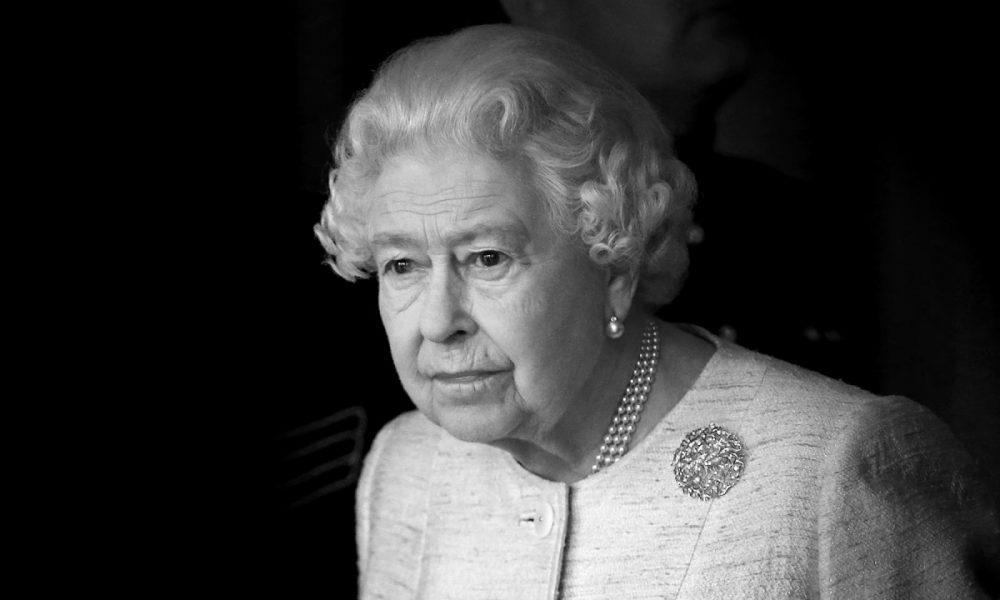
Queen Elizabeth II, the United Kingdom’s longest-reigning monarch and the world’s most recognised, respected and revered supporter of horseracing, has died aged 96.
Her Majesty will be mourned across all parts of the globe, not least by those who have shared her love of racing, the sport for which she was a figurehead throughout an extraordinary reign.
The announcement of the Queen’s death came in a short statement posted by Buckingham Palace at 6.30pm. It said: “The Queen died peacefully at Balmoral this afternoon.
“The King and The Queen Consort will remain at Balmoral this evening and will return to London tomorrow.”
The royal family issued a statement on behalf of the King, the Queen’s son and heir, Charles.
He said: “The death of my beloved mother, Her Majesty the Queen, is a moment of the greatest sadness for me and all members of my family.
“We mourn profoundly the passing of a cherished sovereign and a much-loved mother.
“I know her loss will be deeply felt throughout the country, the Realms and the Commonwealth and by countless people around the world.
“During this period of mourning and change, my family and I will be comforted and sustained by our knowledge of the respect and deep affection in which the Queen was so widely held.”
The Queen was twice Britain’s champion Flat owner, yet although those titles were claimed in 1954 and 1957, she continued to enjoy considerable success over the following decades, perhaps most famously when in the summer of 2013 Estimate carried her iconic silks to Gold Cup glory at Royal Ascot, the fixture more associated with her than any other.
After acceding to the throne following the death of her father, King George VI, in February 1952, the Queen announced she would continue to race and breed the royal string of horses, with which she had been fascinated since childhood.
Racing became known as her primary interest, so much so that in all but exceptional circumstances she annually attended the Derby at Epsom and then every day of Royal Ascot, which has traditionally begun with a royal procession, in which the Queen travelled up the racecourse in the opening carriage.
Monaveen, owned jointly with her mother, became the Queen’s first winning racehorse when she was still Princess Elizabeth in 1949.
Thereafter her horses won four of the five British Classics. Carrozza lifted the 1957 Oaks under Lester Piggott, Pall Mall took the 1958 2,000 Guineas and in 1974 Highclere captured the 1,000 Guineas before notching a Classic double in the Prix de Diane at Chantilly.
Dunfermline, arguably the Queen’s greatest horse, completed a Classic brace of her own when landing both the Oaks and St Leger in her owner-breeder’s 1977 silver jubilee year.
Aureole came closest to giving the Queen a Derby triumph when finishing second in 1953, one year before his victory in the race named after her parents, the King George VI and Queen Elizabeth Stakes. More recently, Carlton House came home a close third for the Queen in the 2011 Derby.
The Queen consented for her own name to adorn some of the world’s most prestigious races. Chief among them is the Queen Elizabeth II Stakes, the European mile championship event now staged on British Champions Day at Ascot, while the highlight of Australia’s autumn racing programme is named the Queen Elizabeth Stakes at Randwick in Sydney.
Remarkably, the Queen last year enjoyed more success on British racecourses than at any point since comprehensive record-keeping was introduced in 1988. Her colours were carried to victory in 36 races, with the £584,399 earned by her horses placing her into the top 20 of leading owners. Only four British entities finished ahead of her.
More recently, King’s Lynn – who holds an entry in the Group 1 Flying Five at the Curragh on Sunday – won the Group 2 Temple Stakes at Haydock in May, while her John and Thady Gosden-trained stablemates Reach For The Moon and Saga both finished second on the Thursday of this season’s royal meeting.
The Queen was a winning owner for the final time on Tuesday – the same day she officially appointed Liz Truss to become the 15th prime minister of her reign – when the Clive Cox-trained Love Affairs won a Goodwood nursery under Adam Kirby.
Her last runner came desperately close to winning, with the royal homebred Improvise losing by a short head when caught in the final stride of Epsom’s concluding race on Thursday.